Designing the Ultimate Outdoor Entertaining Space in Colorado
An exceptional outdoor entertaining space should feel as natural and considered as the interior of the home itself. It is not simply a patio with furniture—it is an environment designed for gathering, dining, relaxing, and enjoying Colorado’s climate in comfort. When thoughtfully planned, an outdoor space becomes more than an amenity. It becomes one of the most valuable and most enjoyed parts of the property.
Establishing a Purpose for the Space
The strongest outdoor spaces begin with clarity of purpose. Before selecting materials or features, it is important to understand how the space will be used most often. Some homeowners prioritize elegant outdoor dining. Others want a setting for family time, quiet evenings, or larger celebrations. Defining the intended experience early allows every later decision to feel more cohesive and intentional.
Primary Use Considerations
Casual Gatherings: Spaces designed for everyday entertaining often benefit from flexible seating, open circulation, and comfortable zones that encourage conversation without feeling overly formal.
Large-Scale Entertaining: For frequent hosting, layouts should accommodate movement, multiple conversation areas, beverage service, and natural transitions between indoor and outdoor spaces.
Outdoor Dining: Dining-centered environments typically prioritize proximity to the kitchen, weather protection, lighting, and enough surrounding space for ease of movement.
Relaxation and Lounging: If restoration is the priority, privacy, softer furnishings, fire features, and calming views can help create a more peaceful atmosphere.
Site Layout and Existing Conditions
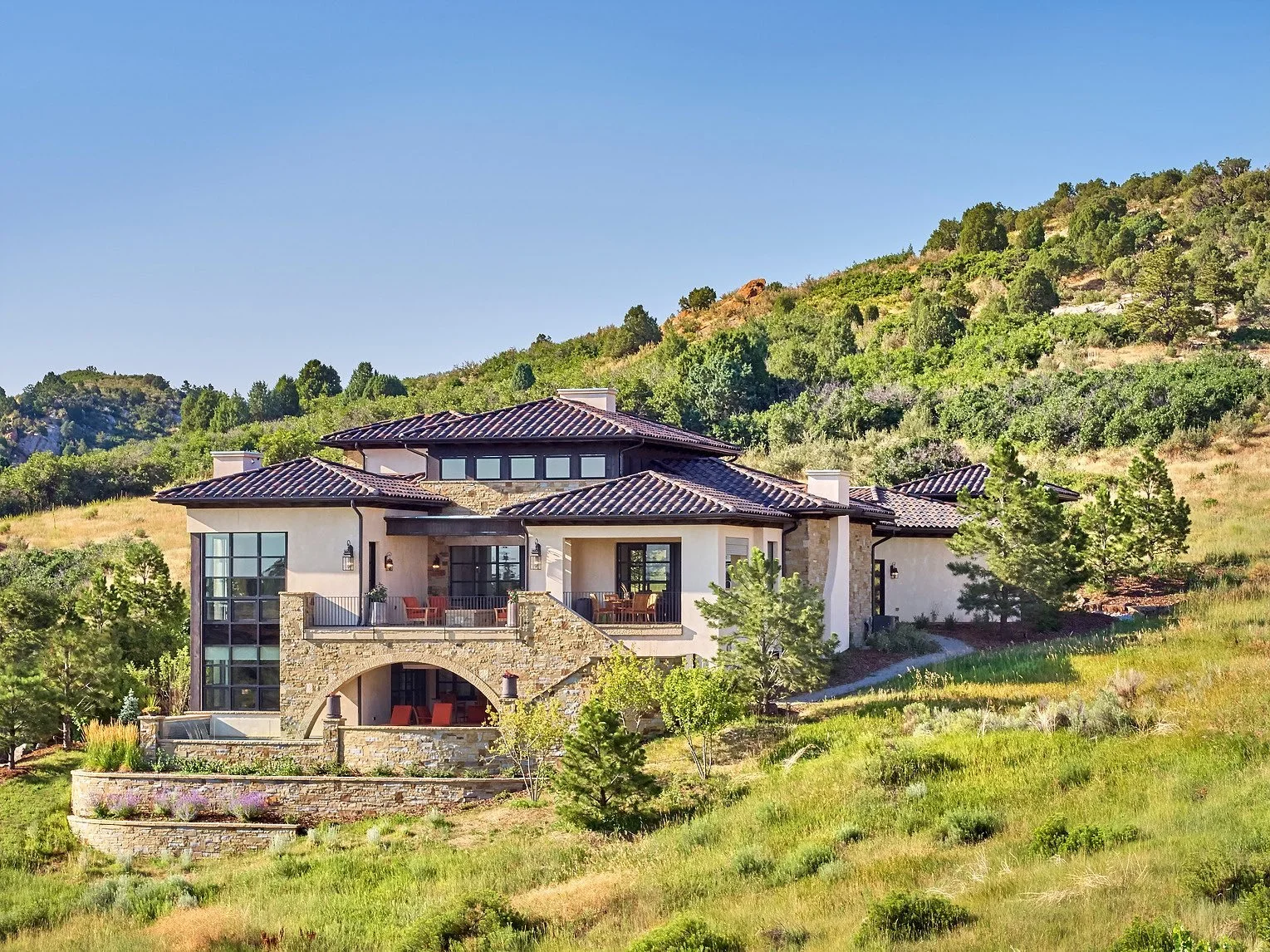
Every property presents its own opportunities. Grade changes, mature trees, existing architecture, privacy relationships, sun orientation, and views all influence how an outdoor entertainment area should be arranged. The most successful designs respond to the site rather than forcing a generic solution.
Flexibility
A well-designed outdoor environment should adapt to changing needs. A lounge may become overflow dining during a gathering. A covered terrace may serve as summer shade by day and fireside retreat by night. Flexibility adds long-term value and everyday usability.
Functional Zone Planning
Many of the most successful backyard entertainment designs rely on thoughtful zoning. Dividing the space into purposeful areas for dining, lounging, cooking, recreation, and circulation creates a stronger sense of flow while making the property feel more expansive.
Dining Area
An outdoor dining space should feel comfortable, accessible, and connected to the rest of the environment. Placement near the kitchen or outdoor cooking area is often ideal. Adequate spacing around the table, thoughtful lighting, and seasonal shade can significantly improve the experience.
Lounge and Seating Areas
Conversation areas often become the emotional center of an outdoor entertainment area. Seating arranged around a fireplace, fire pit, water feature, or view naturally encourages gathering while creating a sense of destination within the landscape.
Kitchen and Bar Area
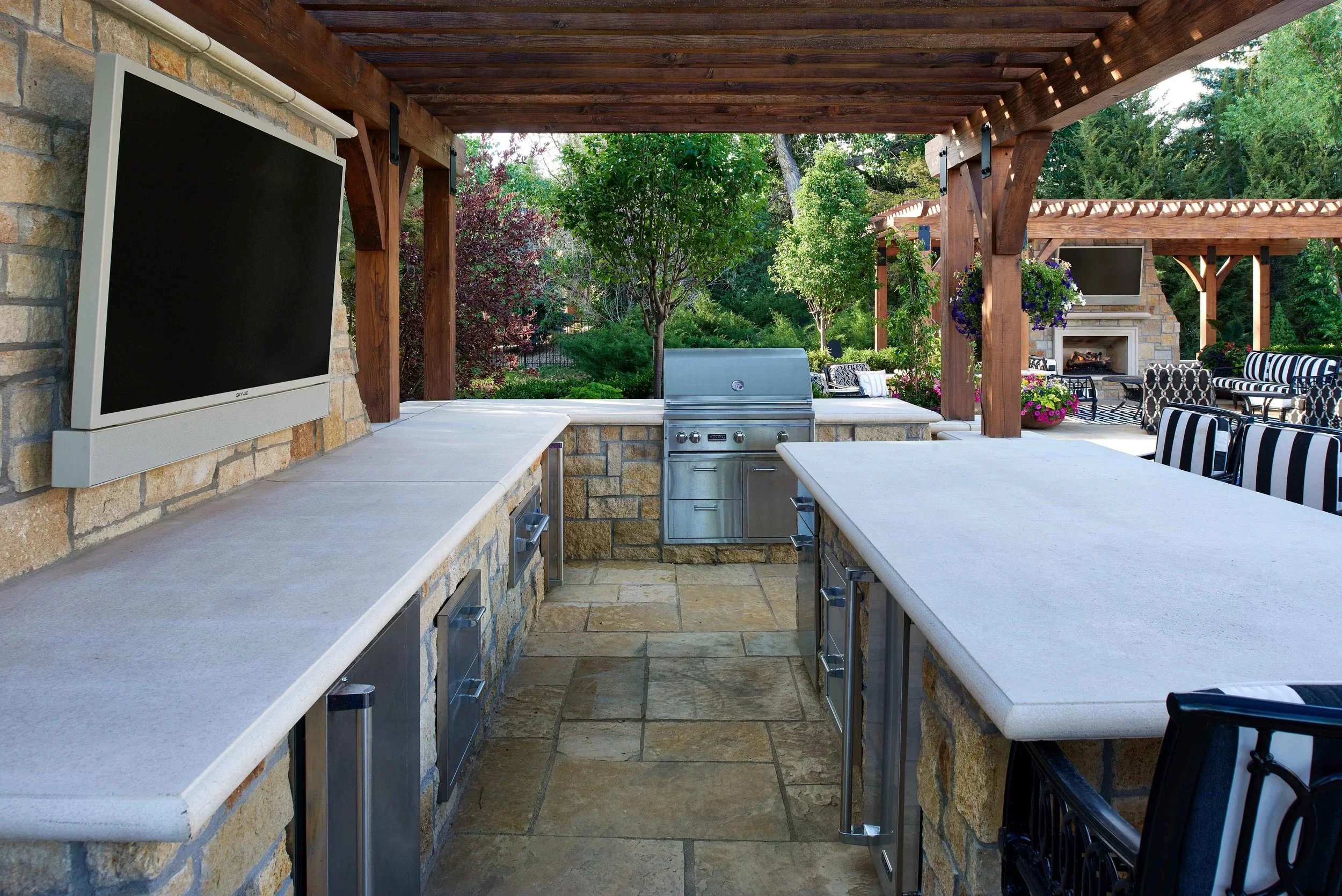
For homeowners who enjoy hosting, an outdoor kitchen or bar can transform how the space functions. Durable surfaces, refrigeration, storage, prep space, and efficient circulation all contribute to a more seamless entertaining experience.
Open Space and Activity Areas
Not every area needs to be programmed. Open lawn panels, play areas, or flexible gathering zones create balance within the design and allow the space to evolve over time.
Designing for Colorado Climate Conditions
Colorado offers extraordinary opportunities for outdoor living, but climate should always inform design decisions. Intense sun, dramatic temperature swings, snow events, and seasonal winds all influence material performance and long-term comfort.
Material Selection
Durability matters. Natural stone, porcelain pavers, quality concrete finishes, composite decking, and powder-coated metals are often selected for their ability to perform through Colorado’s varied conditions when properly installed.
Shade Integration
Shade is one of the most valuable additions to an outdoor entertainment space design. Pergolas, covered patios, retractable canopies, umbrellas, and strategically placed trees can dramatically improve daytime comfort while adding architectural presence.
Seasonal Use
The most successful outdoor environments remain inviting beyond summer. Fireplaces, fire pits, radiant heat, wind screening, covered structures, and layered lighting can extend the usable season significantly.
Enhancing Comfort and Atmosphere
Luxury is often felt more than seen. Comfort, proportion, and atmosphere determine whether a space is simply attractive or genuinely enjoyable to use.
Furniture Selection
Outdoor furnishings should balance comfort, scale, and durability. Deep seating, performance fabrics, weather-resistant frames, and timeless forms typically outperform trend-driven selections.
Lighting Design
Lighting is one of the most transformative elements in outdoor design. Path lighting improves safety, task lighting supports cooking areas, and accent lighting can highlight architecture, planting, and focal features while creating evening ambiance.
Decorative Elements
Planters, textiles, subtle color palettes, outdoor rugs, and curated accessories help create warmth and cohesion. The goal should always be refinement rather than excess.
Integrating Landscaping Elements
Landscape design brings softness, movement, and seasonal interest to an outdoor environment. It also helps connect hardscape features to the home and surrounding property.
Native and Adaptive Plants
Plants suited to Colorado’s environment often provide stronger long-term performance, lower water demands, and a more natural sense of place. Native and adaptive species can offer beauty with greater resilience.
Privacy and Screening Solutions
Privacy is often essential to comfort. Trees, layered planting, decorative screens, fencing, and thoughtful grade transitions can create enclosure without sacrificing openness.
Feature Integration
Water features, fire elements, built-in seating, and sculptural planting moments can elevate both function and atmosphere when integrated as part of the broader design vision.
Final Perspective
The best outdoor entertainment area ideas are never defined by square footage alone. They are shaped by thoughtful planning, quality materials, and an understanding of how people want to live outside. When designed well, even a modest yard can become an elegant extension of the home. If you are considering a custom outdoor living project in Colorado, explore Waymark’s Outdoor Living services, view our full range of services, or inquire with our team to begin the conversation.
Frequently Asked Questions
-
Costs vary based on size, site conditions, materials, and features. Some projects focus on upgrading a single patio, while others involve fully integrated environments with kitchens, structures, lighting, and custom detailing.
-
Project timelines depend on scope, permitting, material lead times, and construction complexity. Smaller projects may move quickly, while comprehensive outdoor environments often require multiple coordinated phases.
-
Covered gathering areas, fire features, outdoor kitchens, quality lighting, durable materials, and cohesive landscape design often provide the strongest blend of enjoyment and long-term appeal.
-
Porcelain pavers, composite decking, powder-coated metals, artificial turf in select applications, and carefully planned plant palettes can help reduce ongoing upkeep.
-
Smaller properties often benefit most from thoughtful design. Multifunctional zones, built-in seating, vertical planting, clean circulation paths, and restrained material palettes can make compact spaces feel generous.