Colorado Fall Planting: A Design-Build Perspective for Front Range Homeowners
Fall is both a planting season and a planning season on Colorado’s Front Range. While many homeowners associate spring with landscape work, fall often creates some of the strongest conditions for root establishment, long-term plant health, and thoughtful outdoor planning. At Waymark, we view fall planting in Colorado not simply as seasonal maintenance, but as an opportunity to shape how an outdoor space will grow, mature, and function over time.
What Makes Fall Different on the Front Range
Colorado’s fall conditions create a uniquely favorable planting window for many trees, shrubs, and perennials. As daytime temperatures cool and soil temperatures remain relatively warm from summer, plants can focus their energy on root development rather than supporting aggressive top growth.
On the Front Range, this planting window typically extends from late September into early October, before the region’s average mid-October hard frost arrives. During this period, cooler air temperatures reduce stress on newly installed plant material while still allowing root systems time to establish before winter dormancy.
For many woody plants, fall planting can create a stronger transition into spring growth than waiting until the following season.
What to Plant in Colorado in the Fall
Not every plant responds equally to Colorado’s fall conditions, but several categories consistently perform well when planted during the Front Range’s autumn window. Trees and shrubs, perennials and native plants, and spring-blooming bulbs all benefit from the opportunity to establish roots before winter while preparing for strong spring growth.
Trees and Shrubs
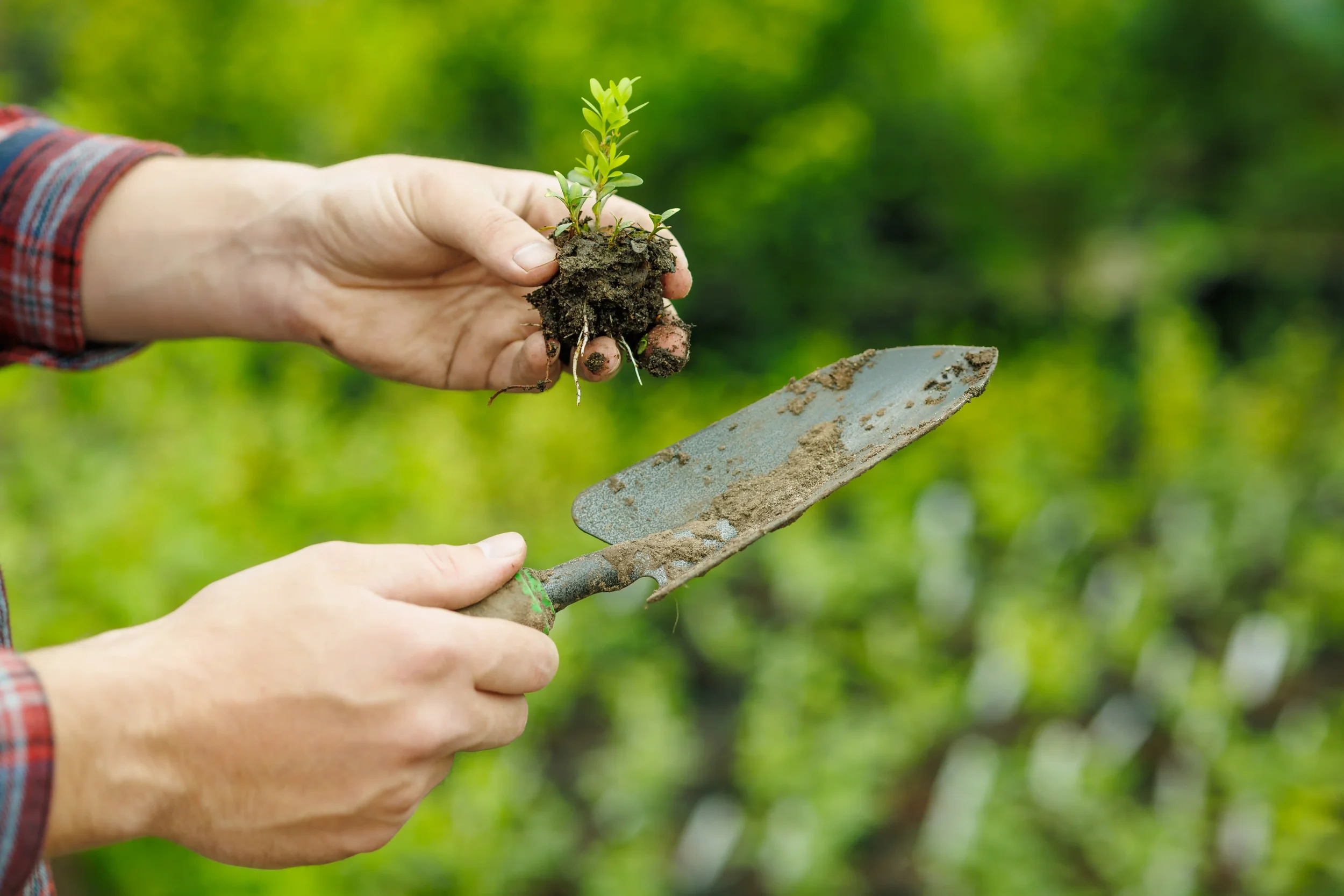
Fall is often one of the best times to plant woody material in Colorado. Trees and shrubs experience less environmental stress during cooler weather, allowing energy to shift toward root establishment before winter dormancy sets in.
Successful fall planting depends heavily on plant specification. At Waymark, we carefully match Zone 5 and Zone 6 hardy varieties to the property’s specific conditions, including elevation, sun exposure, drainage patterns, wind exposure, and irrigation strategy. This process creates landscapes that continue to mature successfully over time rather than struggle through Colorado’s fluctuating climate conditions.
Perennials and Native Plants
Perennials and Colorado native plants also tend to establish exceptionally well during the fall season. Cooler temperatures reduce transplant stress while still allowing root systems to develop before the ground freezes.
Professionally designed planting palettes account not only for appearance during peak summer months, but for how the landscape performs throughout Colorado’s highly variable winters and shoulder seasons. Native and adaptive species often provide stronger resilience, improved irrigation efficiency, and a more natural relationship to the Front Range environment itself.
Spring-Blooming Bulbs
Fall is the ideal time to plant spring-blooming bulbs throughout Colorado. Tulips, daffodils, alliums, crocus, and grape hyacinths all require a period of winter chilling before blooming in spring.
Bulbs are typically planted several weeks before the first hard frost while soil temperatures remain workable. At Front Range elevations, timing is important. Planting too early can trigger premature growth, while planting too late may limit root establishment before winter dormancy begins.
When integrated thoughtfully into the larger planting palette, spring bulbs create one of the earliest signs of seasonal transition within the landscape.
Planting as Part of a Landscape Plan
One of the biggest distinctions between professional landscape design and typical seasonal planting is that planting decisions are never made independently from the broader outdoor environment.
At Waymark, planting is approached as an integrated architectural layer within the larger landscape plan. Trees, shrubs, perennials, and native material all influence how the space functions, how it feels throughout the seasons, and how the property matures over time.
How Planting Decisions Shape the Hardscape Around Them
Planting selections influence far more than garden beds. Mature scale, texture, seasonal behavior, canopy growth, and root patterns all affect how hardscape and structures should be designed around them.
A thoughtfully designed landscape accounts for how trees will frame views years from now, how planting layers soften stone and architecture, and how seasonal changes alter the experience of the property over time. These decisions help create outdoor environments that feel cohesive rather than assembled in isolated phases.
Designing for Year-Round Performance on the Front Range
Colorado landscapes experience dramatic seasonal swings. A professionally designed planting palette accounts for how the property performs not only during peak summer months, but across winter, spring runoff, fall transition, and shoulder seasons as well.
At Waymark, planting plans are developed with year-round structure, texture, and visual balance in mind. Evergreen layering, ornamental grasses, branching structure, winter texture, and seasonal bloom sequencing all contribute to landscapes that remain compelling beyond a single season.
The objective is not simply summer color. It is long-term performance and continuity.
Native and Adaptive Plants as a Design Advantage
Colorado native and adaptive plant material often creates stronger long-term outcomes than generic planting palettes imported from dramatically different climates.
These species typically:
Require less supplemental water
Adapt more naturally to Front Range soil and temperature fluctuations
Improve irrigation efficiency
Reduce long-term maintenance demands
Just as importantly, they create landscapes that feel connected to the region itself rather than artificially imposed onto it.
A well-designed Colorado landscape should feel rooted in place.
Establishment Care as Part of the Design Specification
Successful fall planting extends beyond installation day. Mulching, establishment watering, root protection, and winter monitoring are all critical components of long-term plant health.
At Waymark, these elements are treated as professional specifications built into the broader landscape plan rather than afterthoughts. Colorado’s dry winters and fluctuating freeze-thaw conditions can place significant stress on newly planted material if establishment care is not managed properly.
The success of a planting plan depends just as much on early stewardship as it does on design itself.
Final Perspective
Fall planting in Colorado is about more than preparing for spring growth. It is an opportunity to think strategically about how an outdoor environment will evolve over time and how planting decisions support the larger experience of home.
At Waymark, we approach planting as part of a broader design-build process rooted in thoughtful planning, climate-specific expertise, and creating spaces that feel enduring, functional, and deeply connected to the way our clients live.
Explore our Gardens & Planting services, learn more about our Outdoor Design services, or inquire about your project.
Frequently Asked Questions
-
For most Front Range properties, the ideal fall planting window typically falls between late September and early October before the region’s average mid-October hard frost. Soil temperatures remain warm enough during this period to support strong root establishment.
-
Trees, shrubs, perennials, native plants, and spring-blooming bulbs all tend to establish well during Colorado’s fall planting window. Species like serviceberry, ornamental grasses, hydrangeas, alliums, and native salvia often perform particularly well.
-
Fall is often an equally strong — and sometimes superior — planting window for woody plants because cooler temperatures reduce stress while warm soil conditions continue supporting root development before winter dormancy.
-
Newly planted trees and shrubs still require consistent establishment watering throughout Colorado’s dry fall season and into dormancy, particularly when snowfall is limited. Proper watering schedules are critical for root development before winter.
-
Professional planting specification considers elevation, soil conditions, irrigation strategy, hardiness zones, mature scale, seasonal performance, and integration with the broader outdoor environment — not simply what looks appealing at the nursery in a given season.