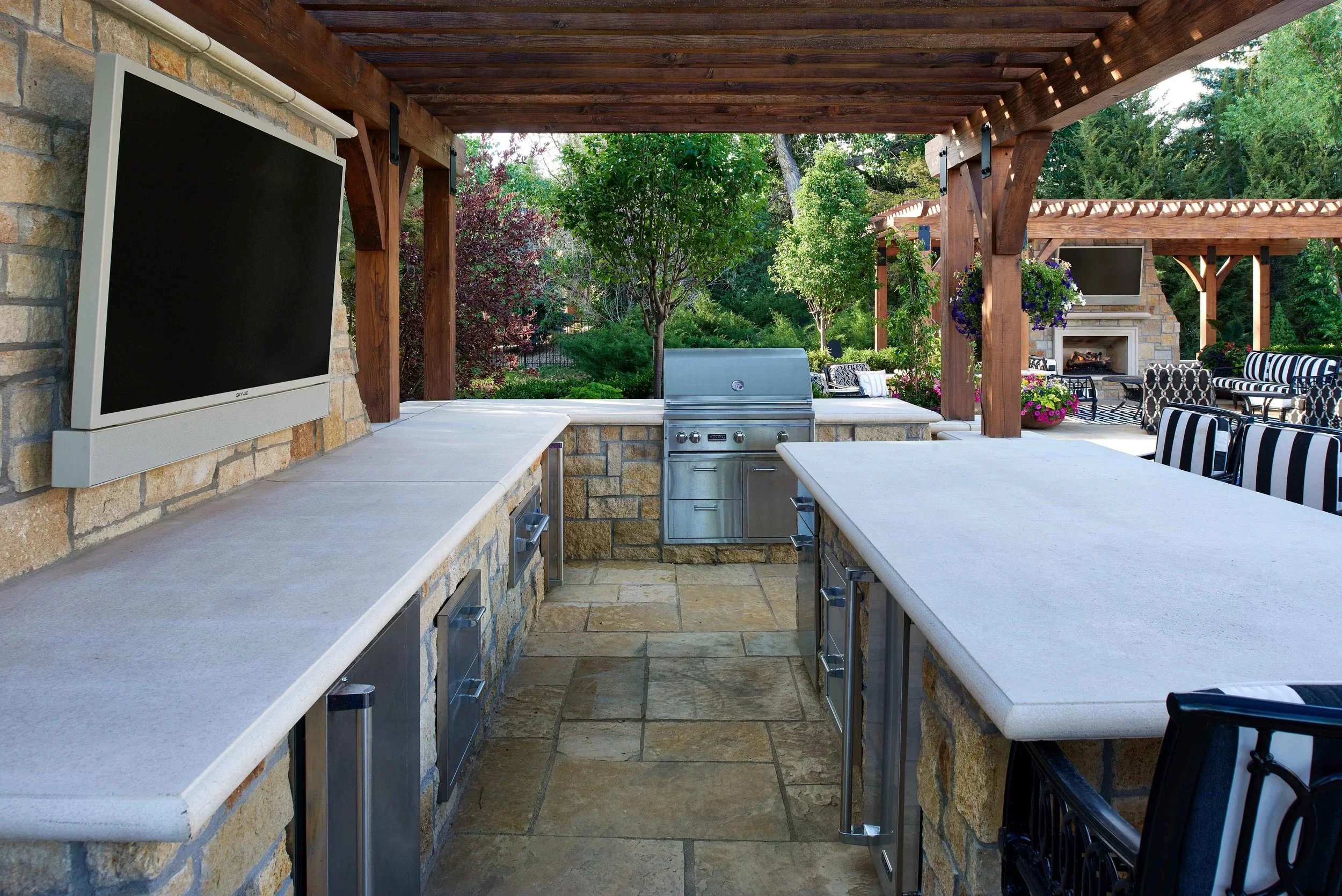
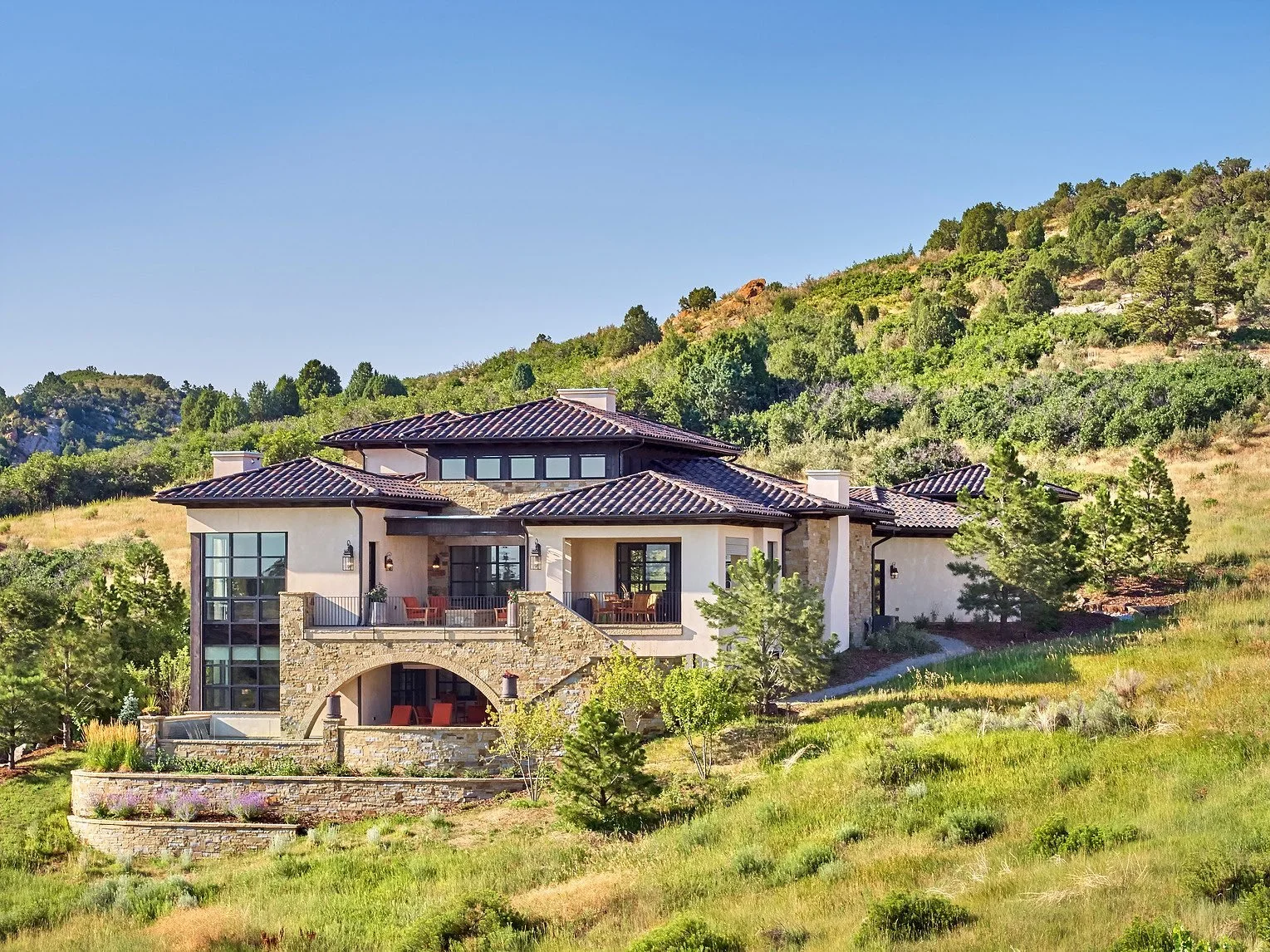
As Denver enters another season of Stage 1 drought restrictions and communities across the Front Range prepare for heightened wildfire concerns, many homeowners are asking the same question: Can a landscape be both beautiful and water-conscious?
The answer is yes—but achieving that balance requires more than simply watering less. It requires thoughtful planning, intentional plant selection, efficient irrigation, and a long-term approach to landscape stewardship.
At Waymark Outdoor Design, we believe water conservation should not come at the expense of beauty. In fact, some of Colorado's most compelling outdoor environments are those designed specifically to thrive within the realities of our climate.
Why Water Conservation Matters More Than Ever on the Front Range
Colorado's semi-arid climate presents unique opportunities and challenges for homeowners. Long periods of sunshine, low humidity, seasonal drought conditions, and fluctuating temperatures all influence how landscapes perform over time.
Recent drought restrictions are a reminder that water is a valuable resource across the Front Range. At the same time, increasingly active wildfire seasons have prompted homeowners to think differently about landscape resilience, irrigation efficiency, and long-term property stewardship.
The most successful outdoor environments are not those that consume the most water. They are the ones designed to work with Colorado's climate rather than against it.
Water Conservation Begins With Design
Many conversations about water conservation focus on irrigation systems. While irrigation technology plays an important role, the greatest opportunity often lies in the design itself.
A landscape's long-term water demand is largely determined by decisions made before construction ever begins. Plant selection, grading, soil preparation, turf allocation, shade patterns, and microclimate considerations all influence how efficiently a property uses water for years to come.
When these elements are considered holistically, homeowners can significantly reduce water consumption while creating outdoor spaces that feel refined, welcoming, and uniquely suited to Colorado living.
Selecting Plants That Thrive in Colorado
One of the most effective ways to reduce water use is to choose plants that are naturally adapted to Colorado's climate.
Native and Adaptive Trees
Trees provide shade, reduce heat buildup, and contribute significantly to the comfort of an outdoor environment. Species selected specifically for Colorado conditions often establish more successfully and require less supplemental irrigation over time.
Drought-Tolerant Shrubs and Perennials
Many of the most beautiful Front Range landscapes rely on shrubs and perennials that provide seasonal color, texture, and structure while requiring relatively modest water inputs once established.
Ornamental Grasses
Ornamental grasses continue to be a favorite in Colorado landscapes because they offer movement, visual interest, and year-round character while performing exceptionally well in challenging conditions.
The goal is not to create a landscape that looks sparse or utilitarian. The goal is to create one that feels authentic to Colorado and remains beautiful throughout the seasons.
Irrigation Strategies That Improve Efficiency
Even the most drought-conscious landscape requires irrigation, particularly during establishment periods. The key is applying water thoughtfully and efficiently.
Smart Irrigation Controllers
Modern irrigation controllers use weather data and site-specific programming to adjust watering schedules automatically, reducing unnecessary water use.
Drip Irrigation Systems
For planting beds, shrubs, and trees, drip irrigation delivers water directly to the root zone where it is most beneficial while minimizing evaporation and runoff.
Seasonal Adjustments
Many irrigation systems are programmed once and forgotten. Regular seasonal adjustments help ensure landscapes receive the appropriate amount of water as weather conditions change throughout the year.
Water Conservation and Wildfire Resilience
Water-wise landscapes and wildfire-conscious landscapes often share many of the same principles.
Proper plant spacing, strategic irrigation, healthy vegetation, and thoughtful maintenance all contribute to a more resilient outdoor environment. Homeowners can create beautiful landscapes while also reducing potential fire risks around the home.
Designing for wildfire resilience does not mean sacrificing aesthetics. It means making informed decisions about plant selection, spacing, and long-term maintenance.
The Role of Stewardship
A landscape is never truly finished. It evolves over time.
As plants mature, irrigation requirements change. Weather patterns shift. New opportunities emerge to improve efficiency and performance.
This is where ongoing landscape stewardship becomes essential. Regular monitoring, seasonal irrigation adjustments, plant health assessments, and proactive maintenance help ensure a landscape continues to perform as intended while minimizing unnecessary water use.
At Waymark, we believe stewardship is an extension of good design. The most successful landscapes are not only thoughtfully created—they are thoughtfully cared for.
Designing for the Future
Water conservation should not be viewed as a limitation. Instead, it should be viewed as an opportunity to create outdoor spaces that are more resilient, more intentional, and better aligned with Colorado's environment.
By combining climate-smart planting, efficient irrigation, thoughtful stewardship, and a comprehensive design-build approach, homeowners can create landscapes that remain beautiful, functional, and enduring for decades to come.
Whether you're planning a new outdoor living environment, updating an existing landscape, or exploring ways to improve long-term performance, thoughtful water management can play an important role in creating a property that thrives in every season.
Frequently Asked Questions
-
Stage 1 restrictions are intended to encourage responsible water use and reduce unnecessary irrigation. Specific requirements can vary by municipality, but homeowners are generally encouraged to water efficiently and avoid waste.
-
Colorado native and climate-adapted species typically perform best with reduced water requirements once established. Ornamental grasses, native shrubs, and many perennial varieties offer excellent beauty and resilience with less supplemental irrigation.
-
For planting beds, trees, and shrubs, drip irrigation is one of the most efficient irrigation methods available. It delivers water directly to the root zone while reducing evaporation and overspray.
-
Absolutely. Some of the most sophisticated outdoor environments on the Front Range combine elegant design, premium materials, and highly efficient water management strategies.
-
Irrigation systems should be reviewed seasonally and adjusted throughout the year based on weather conditions, plant maturity, and site-specific needs.