Architectural Outdoor Lighting: Safety, Atmosphere, and Property Value
Designing for Performance After Sunset
Outdoor lighting is often treated as a finishing touch.
In well-executed landscapes, it is part of the architecture.
In Colorado — where daylight hours shift dramatically across seasons — thoughtful lighting extends usability, enhances safety, and shapes how a property is experienced after sunset.
The question is not simply whether to add lighting.
It is how lighting should be designed to support structure, atmosphere, and long-term value.
Safety and Circulation
The most fundamental purpose of outdoor lighting is safe movement.
In Denver-area landscapes, this often includes:
Steps and grade transitions
Retaining walls
Sloped walkways
Pool decks
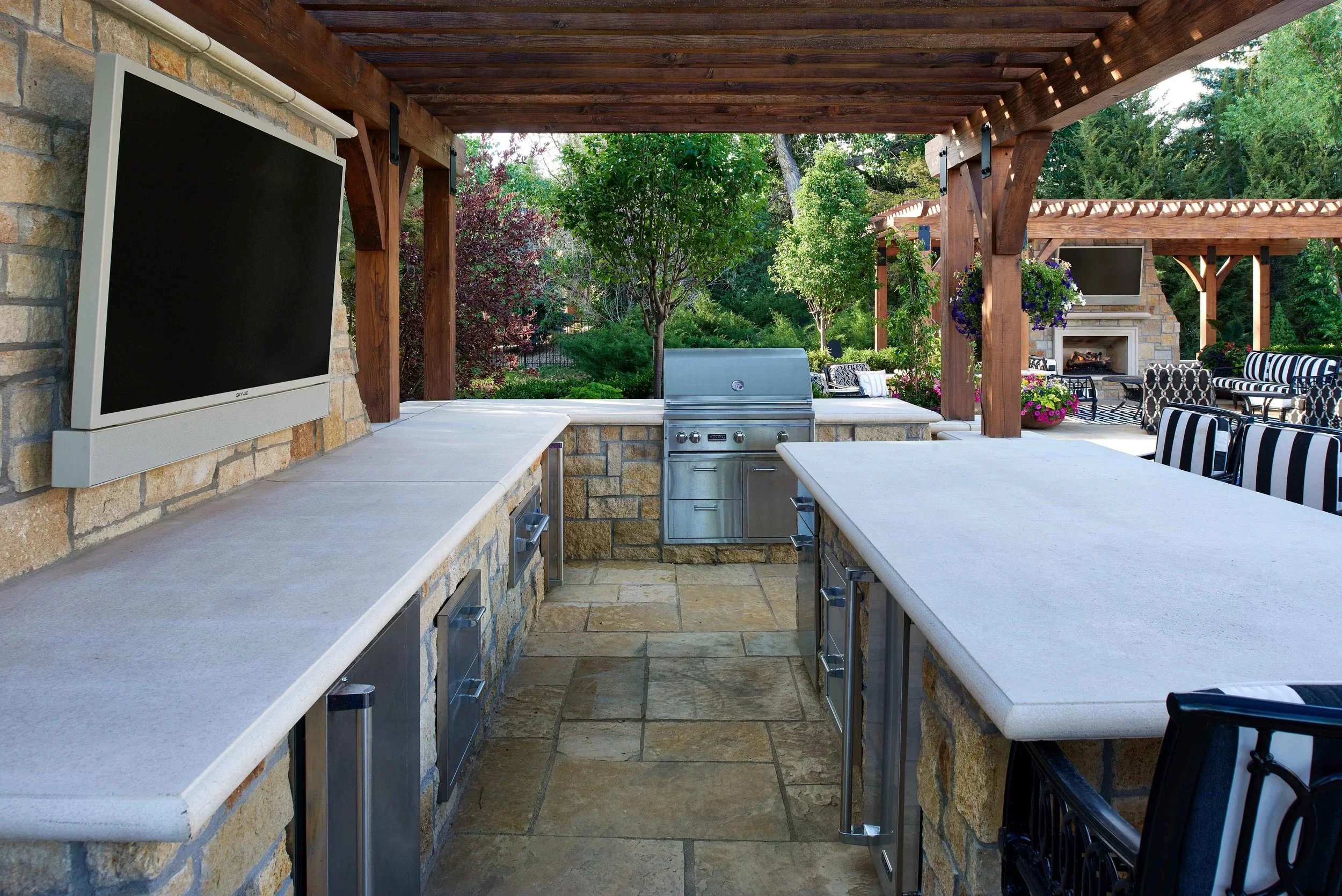
Outdoor kitchens and gathering spaces
Well-designed systems provide:
Subtle step lighting
Low-glare path illumination
Clear definition of edges
Even surface lighting without harsh contrast
Safety lighting should feel integrated — not intrusive.
Atmosphere and Architectural Depth
Beyond safety, lighting shapes mood.
Architectural lighting design often incorporates:
Soft uplighting of trees and vertical elements
Gentle wall washes
Focused accent lighting
Balanced illumination across zones
Refined lighting creates contrast and shadow.
Depth — not brightness — produces atmosphere.
Over-illumination is one of the most common mistakes in residential lighting design.
Subtlety defines sophistication.
Integration During Design
Lighting should be planned during the design phase — not added after hardscape and planting are complete.
Early coordination allows for:
Concealed conduit placement
Coordinated fixture positioning
Proper transformer sizing
Clean transitions through patios and walls
When integrated from the beginning, lighting feels inherent to the environment.
When layered afterward, it often feels secondary.
Property Value and Presence
In established neighborhoods such as Cherry Hills, Hilltop, Castle Pines, and Greenwood Village, architectural outdoor lighting contributes to:
Elevated nighttime curb appeal
Increased perceived property quality
Extended seasonal usability
Enhanced sense of security
While lighting alone does not determine resale value, cohesive exterior illumination enhances presentation and presence.
Modern Systems and Efficiency
Contemporary lighting systems frequently include:
LED fixtures
Energy-efficient transformers
Zoned controls
Automation and scheduling
Smart systems allow seasonal adjustment while reducing long-term energy consumption.
Technology enhances usability — without visual clutter.
Maintenance Considerations
Outdoor lighting systems benefit from periodic oversight.
Maintenance may include:
Fixture realignment
Wire inspection
Transformer checks
Cleaning and seasonal adjustment
Planning for access during installation protects long-term performance.
Final Perspective
Architectural outdoor lighting completes the experience of a landscape.
It enhances safety, extends usability, and reveals texture and structure after sunset.
When designed thoughtfully and installed with precision, lighting becomes one of the most impactful — yet understated — components of a high-end outdoor environment.
If you are considering an outdoor renovation and want clarity around lighting integration and long-term performance, we welcome a conversation about designing for both day and evening presence.
Frequently Asked Questions
-
Comprehensive architectural lighting installations often range from $10,000–$35,000+, depending on scope and integration level.
-
Yes, though retrofitting may require cutting into existing hardscape. Planning during initial design typically results in cleaner installation.
-
Not every property requires a large system, but most benefit from at least foundational safety and focal illumination.