Retaining Walls in Denver: Structural Necessity, Cost, and Long-Term Performance
Understanding When They’re Required — and Why They Matter
In many Denver-area properties, retaining walls are not decorative features, they are structural solutions.
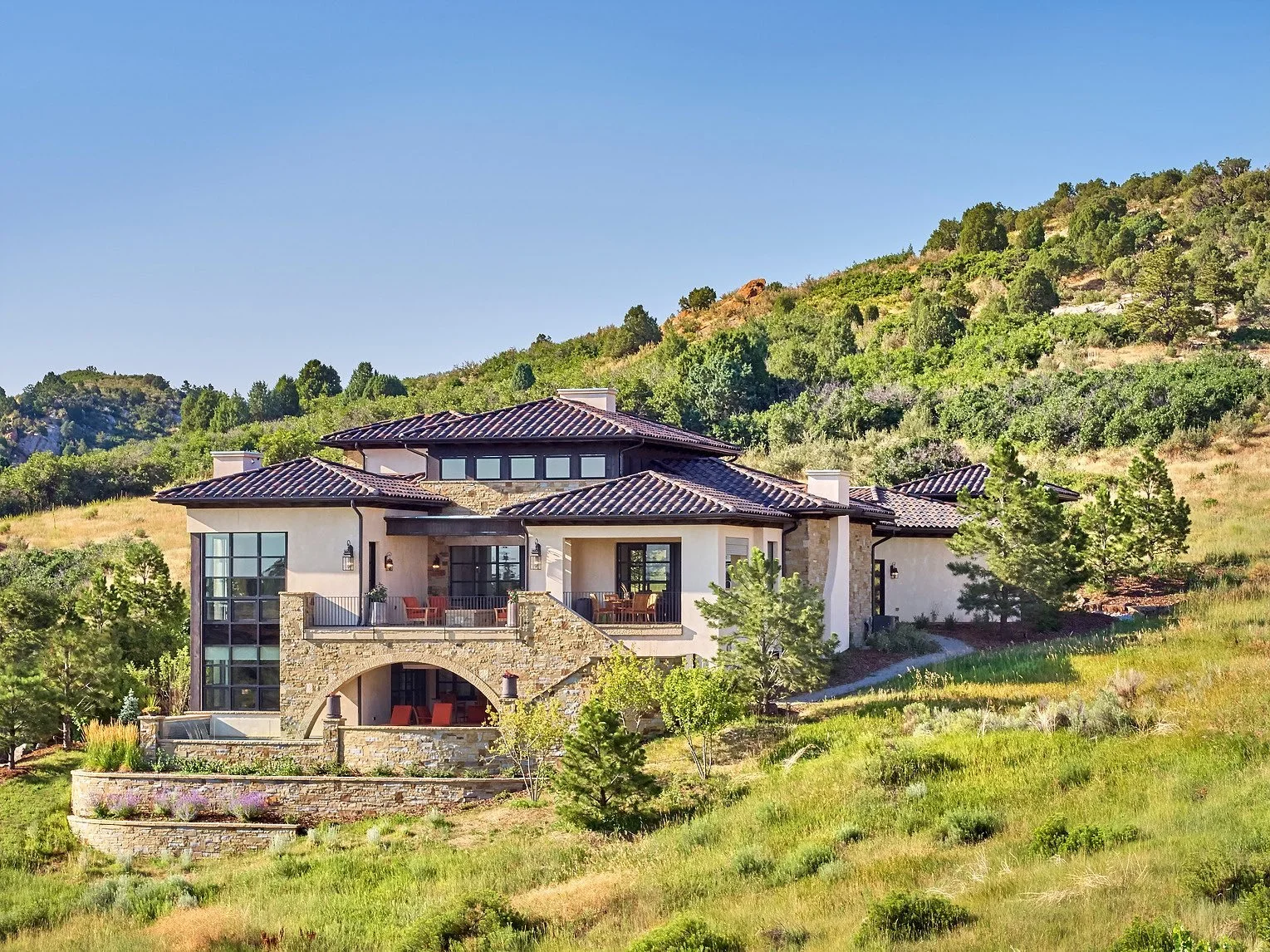
Sloped lots, expansive soils, and elevation changes across the Front Range frequently require grade correction before patios, pools, or planting systems can be installed properly.
The more practical question becomes:
When is a retaining wall necessary — and what does it realistically cost in Denver?
Why Retaining Walls Are Common in Colorado
Colorado landscapes often present:
Significant slope from front to back
Drop-offs between patio levels
Hillside properties
Expansive clay soils that shift with moisture
Without structural support, grade transitions can lead to:
Erosion
Soil movement
Patio settlement
Drainage complications
Foundation stress
Retaining walls stabilize these transitions and create usable, level outdoor space.
In many high-end Denver renovations, they are foundational to the entire design.
When Is a Retaining Wall Required?
Retaining systems are typically necessary when:
Elevation changes exceed what simple grading can accommodate
Flat patio space must be created within a sloped yard
Pool installations require level structural support
Drainage transitions need controlled water movement
Property lines limit slope expansion
The need is driven by structural reality — not aesthetics alone.
Types of Retaining Systems Used in Denver
Material selection and engineering requirements vary depending on height, load, and site conditions.
Common systems include:
Engineered Segmental Block Systems
Modular wall systems designed for structural integrity and integrated drainage.
Natural Stone or Veneer Walls
Often selected when architectural alignment with the home is prioritized, while still requiring structural backing.
Poured Concrete or Structural Walls
Used in situations involving significant loads, tight property lines, or pool integration.
The correct solution depends on soil conditions, load requirements, and long-term performance expectations.
Drainage Behind Retaining Walls
In Colorado, retaining wall longevity is directly tied to drainage.
Without proper backfill and water management:
Hydrostatic pressure builds
Soil expands and contracts
Walls lean, crack, or fail
Effective systems typically include:
Gravel backfill
Perforated drain pipe
Drain boards
Proper compaction standards
The visible wall face represents only part of the structural system.
What happens behind the wall determines how long it performs.
What Do Retaining Walls Cost in Denver?
Cost depends on several variables:
Wall height
Length
Site access
Soil conditions
Material selection
Engineering requirements
Drainage complexity
General reference ranges in the Denver market:
Short garden walls (under 3 feet): $8,000–$20,000+
Structural retaining systems supporting patios or grade transitions: $25,000–$75,000+
Complex engineered or multi-tiered systems: $100,000+
Every property must be evaluated individually due to soil variability and slope conditions.
Long-Term Performance in Colorado’s Climate
Retaining walls in Denver must account for:
Freeze–thaw cycles
Seasonal soil expansion
Water saturation
Load from patios, driveways, or pools
Snow accumulation
Improper installation may not fail immediately. However, structural movement typically reveals itself within a few seasons.
Engineered planning reduces that risk significantly.
Integration With Outdoor Design
In refined outdoor environments, retaining systems rarely stand alone.
They often support:
Expanded patio spaces
Pool decks
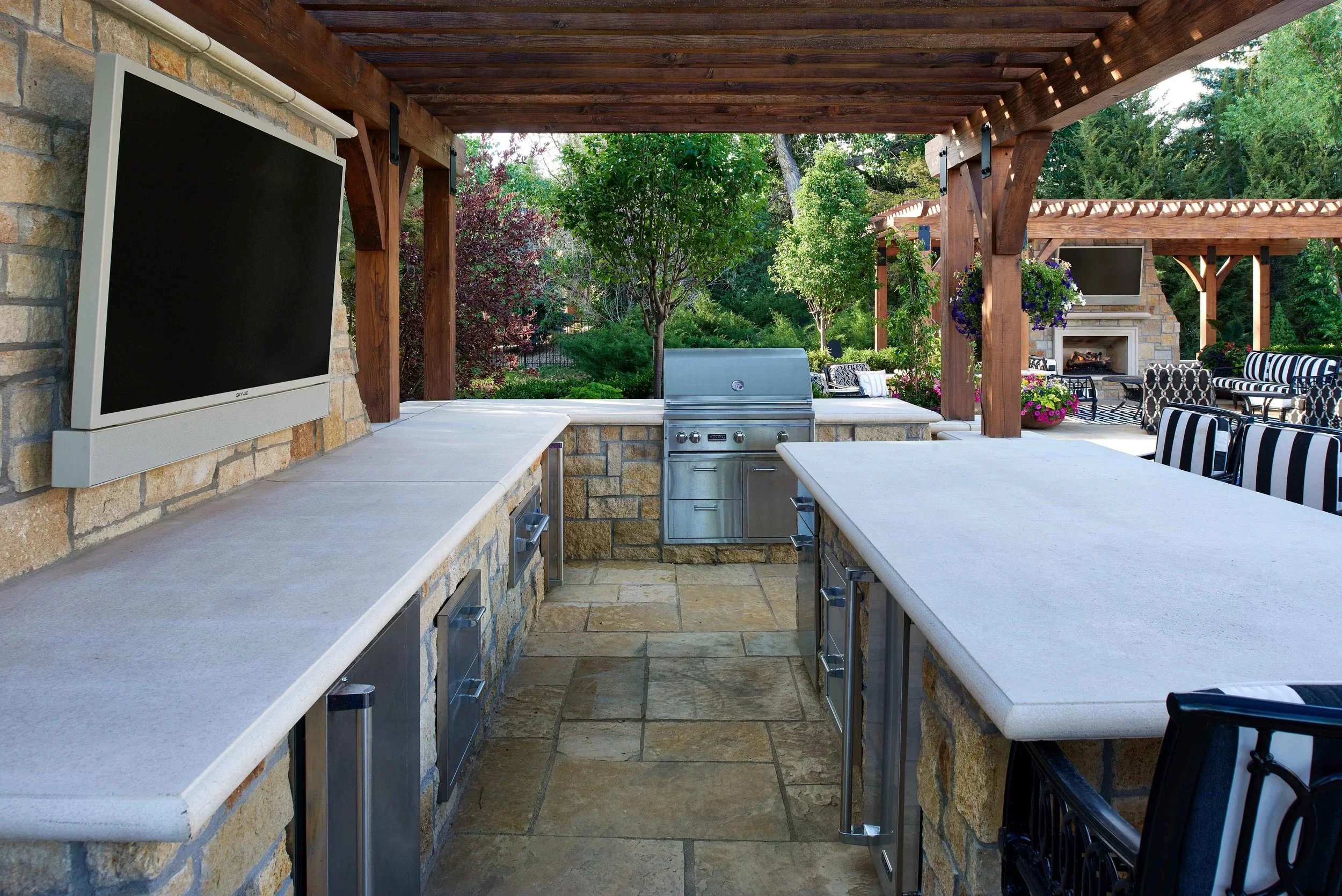
Outdoor kitchens
Multi-level gathering areas
Defined planting zones
When integrated thoughtfully, retaining walls contribute to both structure and architectural continuity.
When treated as an afterthought, they feel disconnected.
Final Perspective
Retaining walls in Denver are often structural necessities — not aesthetic upgrades.
When properly engineered and integrated with drainage systems, they create stable, usable outdoor environments that perform reliably through Colorado’s seasonal extremes.
If your property includes slope challenges or grade transitions, we welcome a conversation about structural solutions designed for long-term performance.
Frequently Asked Questions
-
Not always. Minor grade changes can sometimes be managed through strategic grading. Significant elevation shifts typically require structural reinforcement.
-
Walls above certain heights often require permits and, in many cases, engineering documentation. Requirements vary by municipality.
-
In some cases, yes. However, if drainage failure or structural instability is present, replacement may be more cost-effective long term.