What Makes an Outdoor Space Feel Truly High-End?
Structure, Proportion, and Intentional Design
A high-end outdoor space is rarely defined by a single feature.
It is not simply a larger patio.
Not just a pool.
Not an outdoor kitchen alone.
True refinement emerges from cohesion — the alignment of structure, proportion, materials, and restraint.
In Denver’s premier neighborhoods, the most compelling outdoor environments feel inevitable, as though they were always meant to exist alongside the architecture.
The question becomes:
What actually creates that feeling?
Architectural Alignment
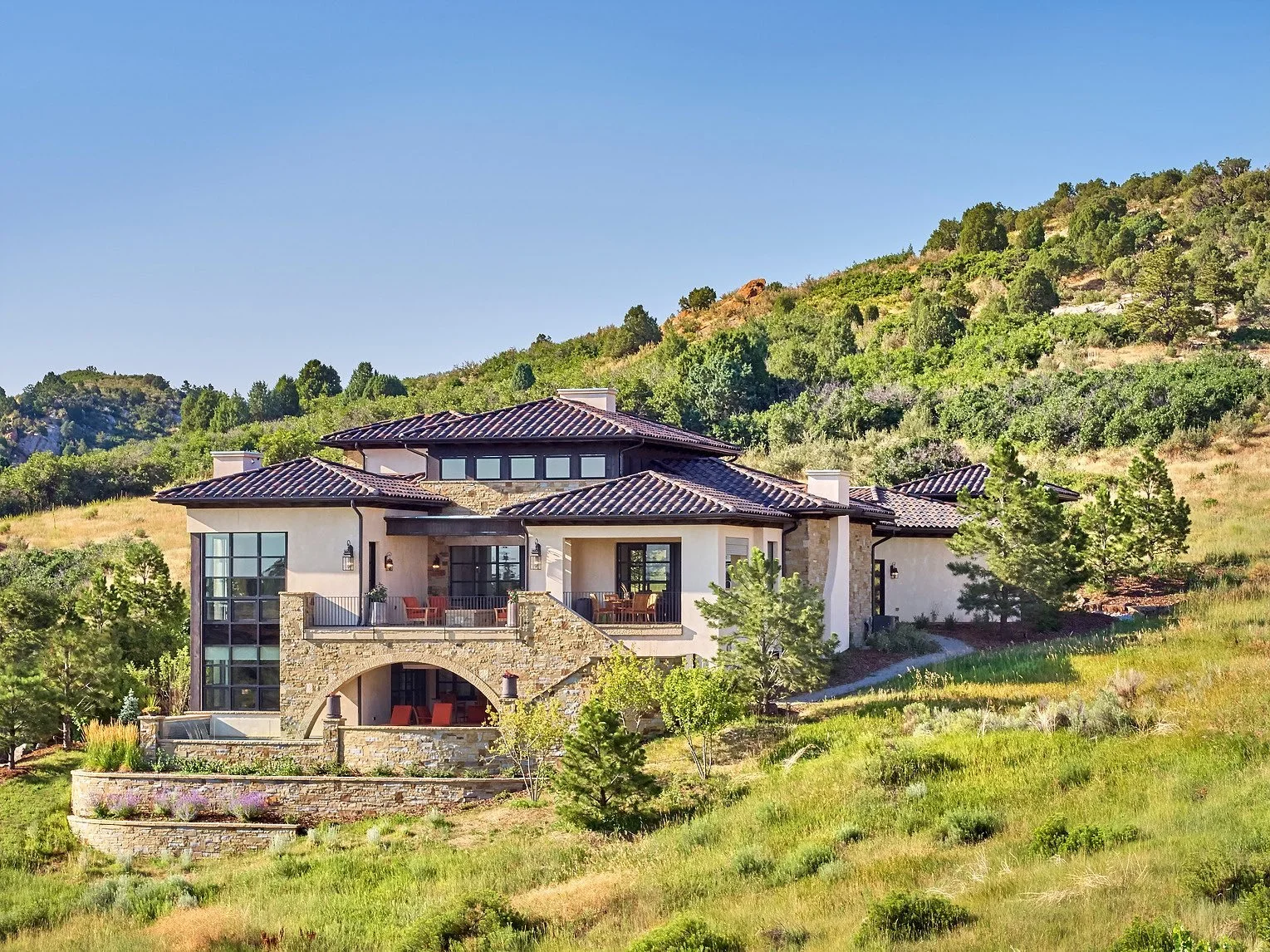
Refined outdoor environments extend the language of the home.
This often includes:
Material continuity between interior and exterior
Alignment of walls, sightlines, and thresholds
Proportional scaling relative to the home’s mass
Clean transitions between indoor and outdoor spaces
When outdoor design mirrors architectural intent, the result feels integrated — not appended.
Structural Integrity Beneath the Surface
Luxury is not only visible.
In Colorado, expansive soils and freeze–thaw cycles demand careful structural planning.
High-end spaces prioritize:
Proper base preparation
Integrated drainage systems
Reinforced retaining solutions
Thoughtful grade transitions
Patios that remain level and walls that remain stable over time communicate quality more effectively than surface finishes alone.
Material Discipline
A common misconception is that high-end design requires more materials.
In reality, it often requires fewer — selected intentionally.
Refined material palettes typically include:
Limited but cohesive combinations
Natural stone with architectural scale
Consistent edge detailing
Subtle variation in texture and tone
Overly complex or mismatched materials can quickly diminish sophistication.
Restraint elevates.
Defined Outdoor Rooms
Well-composed outdoor environments are organized.
Rather than one undefined patio, they often include:
A primary dining zone
A lounge or seating area
A fire-centered gathering space
A pool terrace
Transitional pathways
Defined spaces create rhythm and clarity — much like interior architecture.
Layered Lighting
Lighting often distinguishes a standard installation from a refined one.
Architectural outdoor lighting may include:
Soft uplighting for trees and vertical elements
Subtle wall washes
Integrated step lighting
Controlled pathway illumination
The goal is atmosphere — not brightness.
Well-executed lighting enhances depth without overpowering the environment.
Negative Space and Proportion
Restraint is a hallmark of sophisticated design.
High-end landscapes frequently incorporate:
Open lawn or breathing space
Intentional sightlines
Balanced planting density
Clear visual hierarchy
Negative space provides contrast and allows architectural elements to stand out.
Climate-Aware Performance
In Colorado, refinement must perform.
High-end outdoor environments account for:
Soil movement
Snow load
Seasonal water management
Material durability
Durability is an invisible but defining characteristic of quality work.
Integrated Amenities
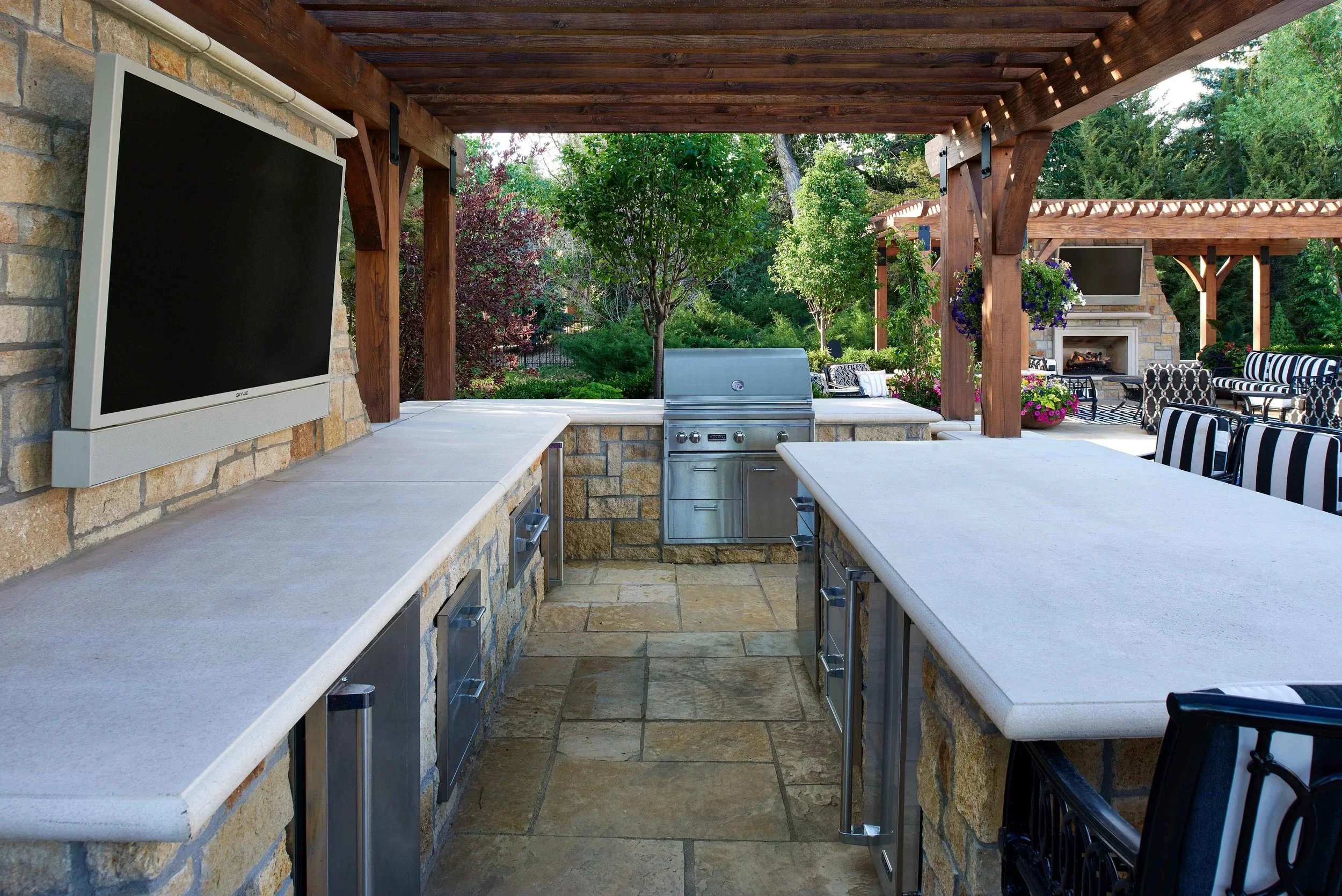
Pools, outdoor kitchens, and fire features should feel embedded within the overall composition.
When amenities are layered without structural alignment, the space feels fragmented.
When designed as part of a unified plan, the environment feels intentional.
Integration defines refinement.
Final Perspective
A truly high-end outdoor space is defined by alignment — architectural, structural, and experiential.
It feels cohesive.
It performs reliably.
It ages well.
When proportion, material discipline, and structural integrity guide the design, the result is not simply impressive — it is enduring.
If you are evaluating an outdoor renovation and want clarity around elevating both performance and design, we welcome a thoughtful conversation.