Outdoor Design Trends for 2026: The Future of Luxury Outdoor Living in Colorado
Integration, Restraint, and Climate-Aware Design
Design trends evolve.
Enduring outdoor environments do not chase them.
In Colorado’s premier neighborhoods, the most compelling landscapes are shaped by structure, proportion, and climate awareness — not novelty.
Still, certain movements are influencing how homeowners approach outdoor living in 2026.
The defining shift is this:
Luxury is becoming quieter, more integrated, and more performance-driven.
Integration Over Accumulation
One of the most noticeable shifts is away from standalone features.
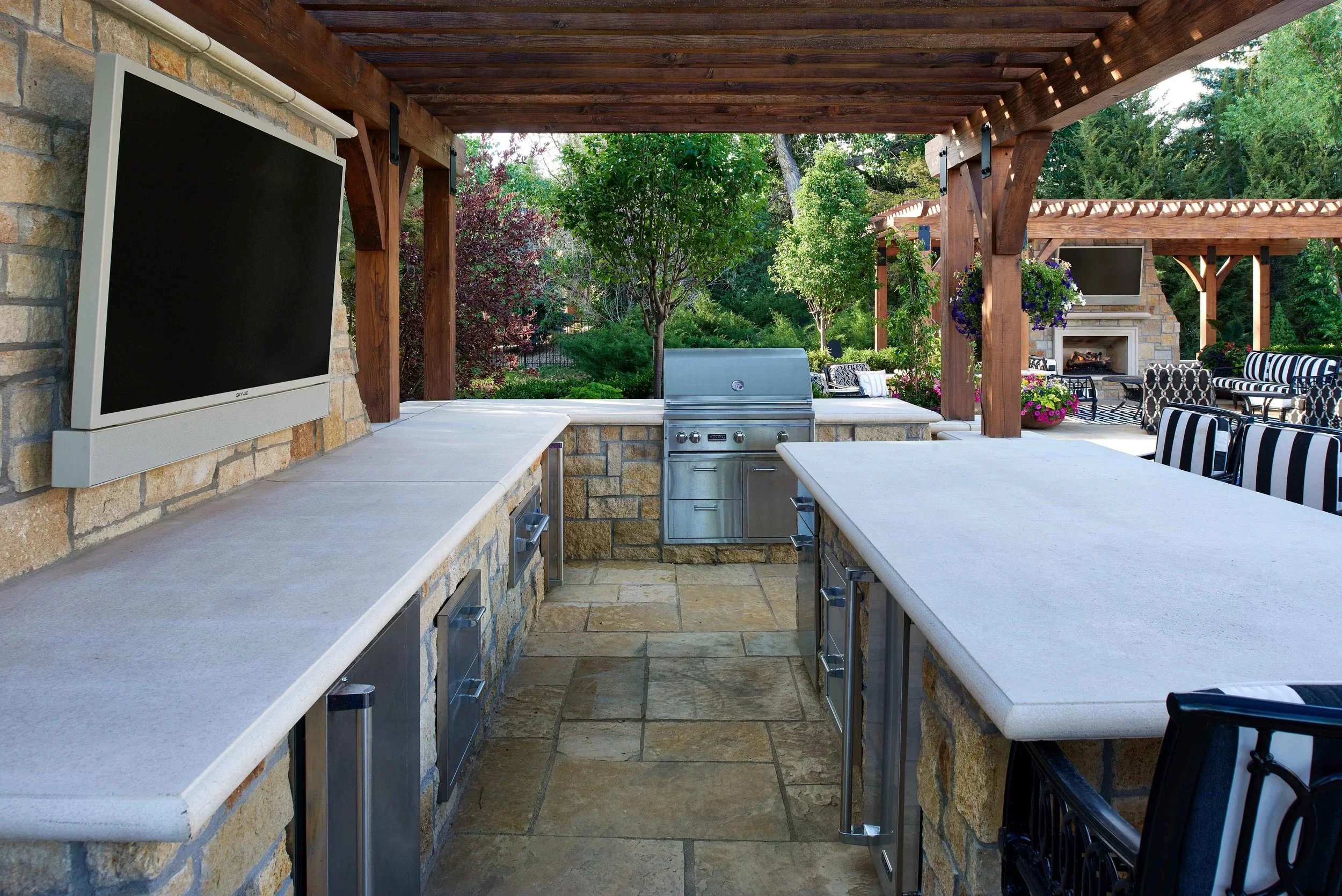
Rather than installing a pool, then later adding a patio or fire feature, homeowners are increasingly investing in unified plans where:
Hardscape aligns with architectural lines
Retaining systems are structurally embedded
Outdoor kitchens feel intentional
Lighting is coordinated during design
The trend is integration — not accumulation.
When elements are conceived together, the environment feels inevitable.
Climate-Aware Material Selection
Colorado’s demanding climate continues to influence material decisions.
In 2026, we are seeing:
Greater emphasis on natural stone
Reinforced hardscape systems for soil movement
Durable finishes suited for freeze–thaw cycles
Reduced reliance on delicate surface treatments
Longevity is becoming a defining luxury characteristic.
Durability is no longer a hidden feature — it is part of the aesthetic.
Defined Outdoor Rooms
Large, undefined patios are giving way to structured outdoor rooms.
These environments often include:
Dedicated dining zones
Lounge areas with architectural seating
Fire-centered gathering spaces
Pool terraces with transitional pathways
Organization creates comfort. Structure creates refinement.
Subtle, Architectural Lighting
Overly bright landscape lighting continues to decline in favor of:
Soft uplighting
Controlled wall washes
Integrated step lighting
Balanced pathway illumination
The goal is depth and atmosphere — not brightness.
Lighting is increasingly viewed as architectural, not decorative.
Water-Conscious Planting Strategies
As water awareness grows across Colorado, planting design is evolving.
Current landscapes frequently blend:
Layered perennial systems
Reduced turf areas
Efficient irrigation zoning
The movement is not toward sparse minimalism — but toward intentional, performance-driven planting.
Multi-Season Outdoor Use
Colorado homeowners are designing for extended seasonal use.
This includes:
Integrated heating elements
Wind-protected lounge areas
Covered dining spaces
Spa integration for colder months
Outdoor living is no longer limited to summer.
Design now anticipates year-round experience.
Simplified Material Palettes
Luxury in 2026 favors restraint.
Refined landscapes often feature:
Fewer material types
Larger-format stone or pavers
Clean edge detailing
Consistent color temperature
Complex material mixing is giving way to disciplined cohesion.
Restraint is redefining sophistication.
Technology Without Visual Clutter
Modern systems are becoming increasingly discreet.
Homeowners are requesting:
Automated lighting controls
Pool automation systems
Irrigation monitoring
Smart integration without visible hardware
Technology enhances usability — but remains visually quiet.
What Trends are Quietly Fading?
In higher-end markets, certain trends are losing momentum:
Overly ornamental water features
Excessive material variation
Overscaled hardscape lacking planting balance
Exposed, high-glare lighting
Spectacle is being replaced by intention.
Final Perspective
The future of luxury outdoor living in Colorado is not defined by novelty.
It is defined by integration, performance, and architectural alignment.
The most enduring landscapes of 2026 — and beyond — will be those that:
Respect Colorado’s climate
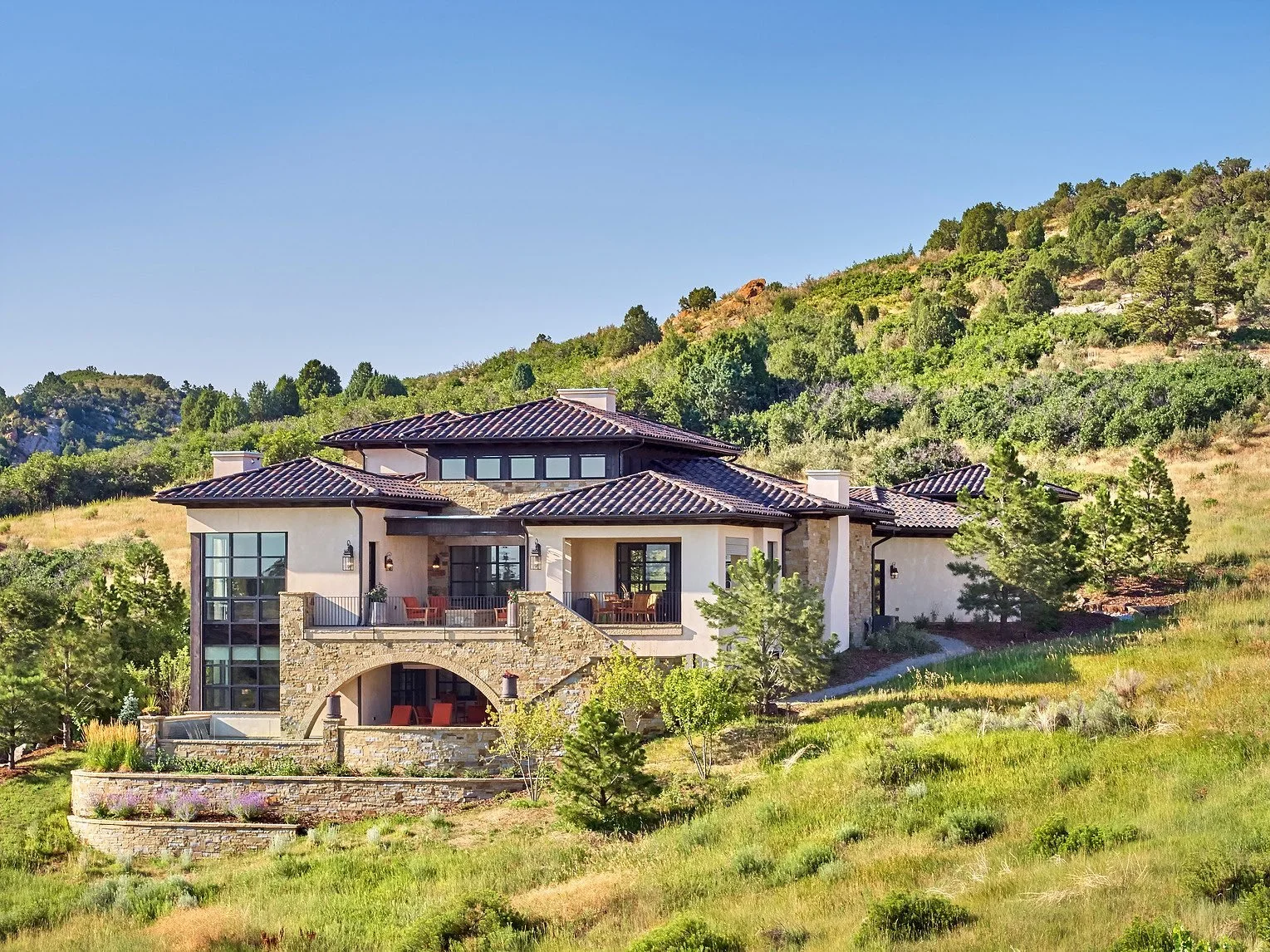
Align with the home’s architecture
Prioritize structural integrity
Balance openness with defined space
When these principles guide design, trends become secondary to longevity.
If you are considering a landscape renovation and want clarity around timeless design in a changing market, we welcome a thoughtful conversation about what endures.