What Does a $250,000 Outdoor Renovation Include in Denver?
A Realistic Look at Scope, Structure, and Integration
When homeowners begin planning a significant outdoor renovation, one of the most common questions is:
What does a $250,000 backyard actually include in Denver?
In Colorado’s established neighborhoods, a $250,000 investment represents a substantial transformation — but not an estate-scale overhaul.
It typically reflects a thoughtfully integrated outdoor environment where structure, materials, and performance are aligned from the beginning.
Understanding how that budget is allocated brings clarity to what is achievable — and why.
First: It’s Not Just About Features
At this level, the investment is not concentrated in one element.
It is distributed across:
Site preparation and excavation
Structural grading and drainage systems
Hardscape construction
Retaining solutions (if required)
Planting design and installation
Lighting integration
Project management and coordination
In Denver’s climate and soil conditions, structural work beneath the surface often represents a meaningful portion of the overall investment.
What you don’t see protects what you do.
What a $250,000 Budget Commonly Includes
While every property is different, a renovation at this level may include:
Structural and Site Work
Regrading for proper drainage
Engineered retaining walls (if needed)
Base preparation for patios and walkways
In Colorado, expansive soils and freeze–thaw cycles require structural planning that protects long-term performance.
Hardscape Environments
A primary patio space (natural stone or high-quality pavers)
Secondary seating or lounge areas
Integrated steps and transitions
Defined circulation pathways
Material selection plays a major role in cost allocation. Larger-format stone, precise edge detailing, and clean transitions elevate both performance and visual refinement.
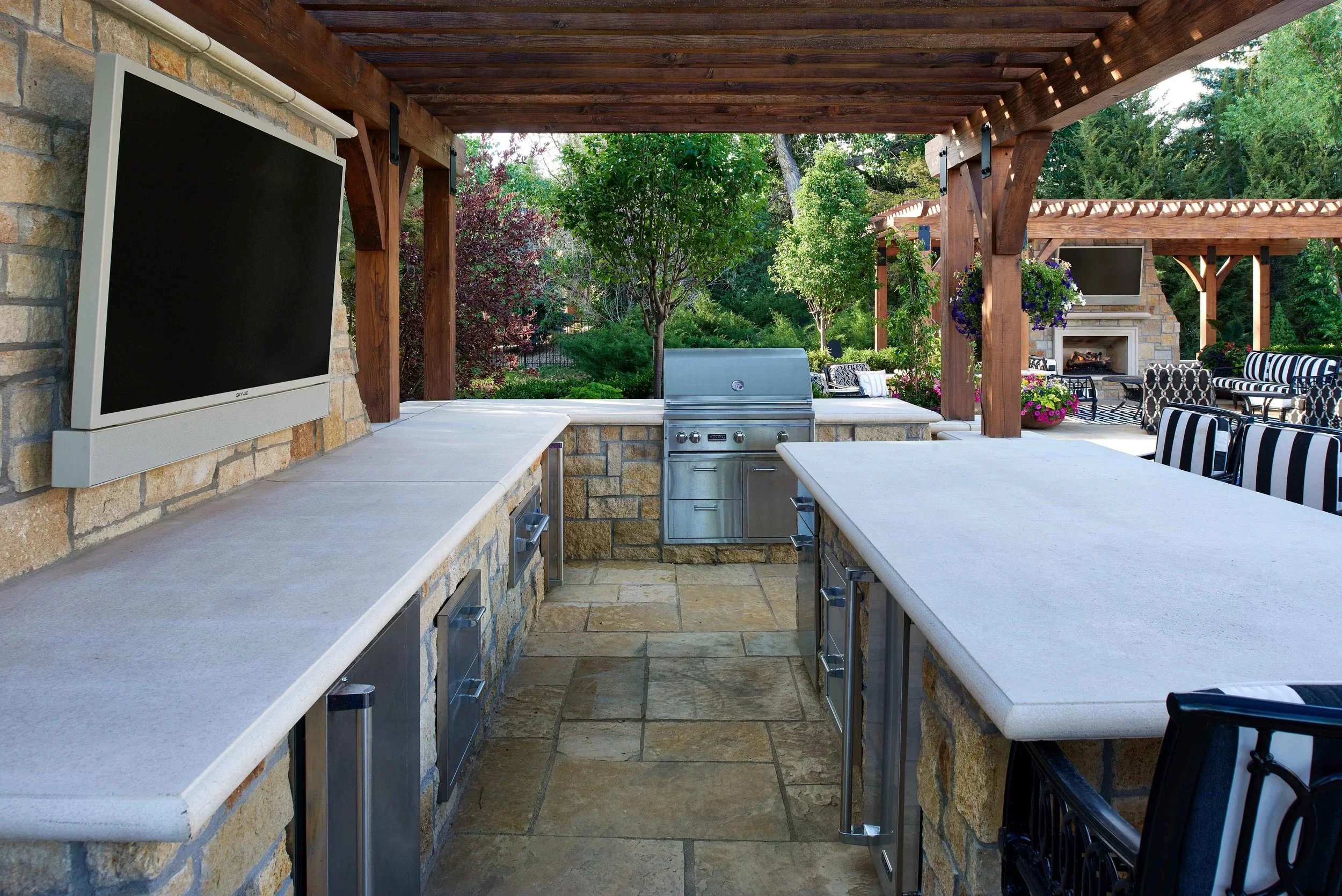
Outdoor Kitchen or Fire Feature
A $250,000 renovation often includes one focal amenity, such as:
A built-in outdoor kitchen
A fire feature integrated into the patio design
Architectural seating walls
These elements are most successful when incorporated into a cohesive plan — not added later.
Planting and Landscape Design
Layered planting beds
Privacy screening where appropriate
Accent trees
Perennial and ornamental grass integration
Irrigation system upgrades or zoning improvements
Planting at this level supports architectural structure while softening hardscape transitions.
Architectural Lighting
Lighting is frequently included within this investment range and may consist of:
Step lighting
Pathway illumination
Subtle tree uplighting
Integrated wall washes
Thoughtful lighting extends usability and enhances evening presence without overwhelming the environment.
What a $250,000 Renovation Typically Does Not Include
Clarity is equally important here.
In many cases, a $250,000 project does not include:
Large-scale multi-tiered retaining systems
Extensive property-wide renovation
Major front and backyard redevelopment simultaneously
Those scopes typically begin at higher investment levels.
Why Integration Matters at This Budget
The difference between a $150,000 project and a $250,000 project is often cohesion.
Rather than isolated upgrades, this level allows for:
Unified material selection
Coordinated grading and drainage
Balanced planting design
Structured lighting
Architectural alignment with the home
Integration creates the sense of intentionality that defines refined outdoor environments.
Neighborhood Context in Denver
In areas such as:
Cherry Hills
Hilltop
Wash Park
Greenwood Village
Castle Pines
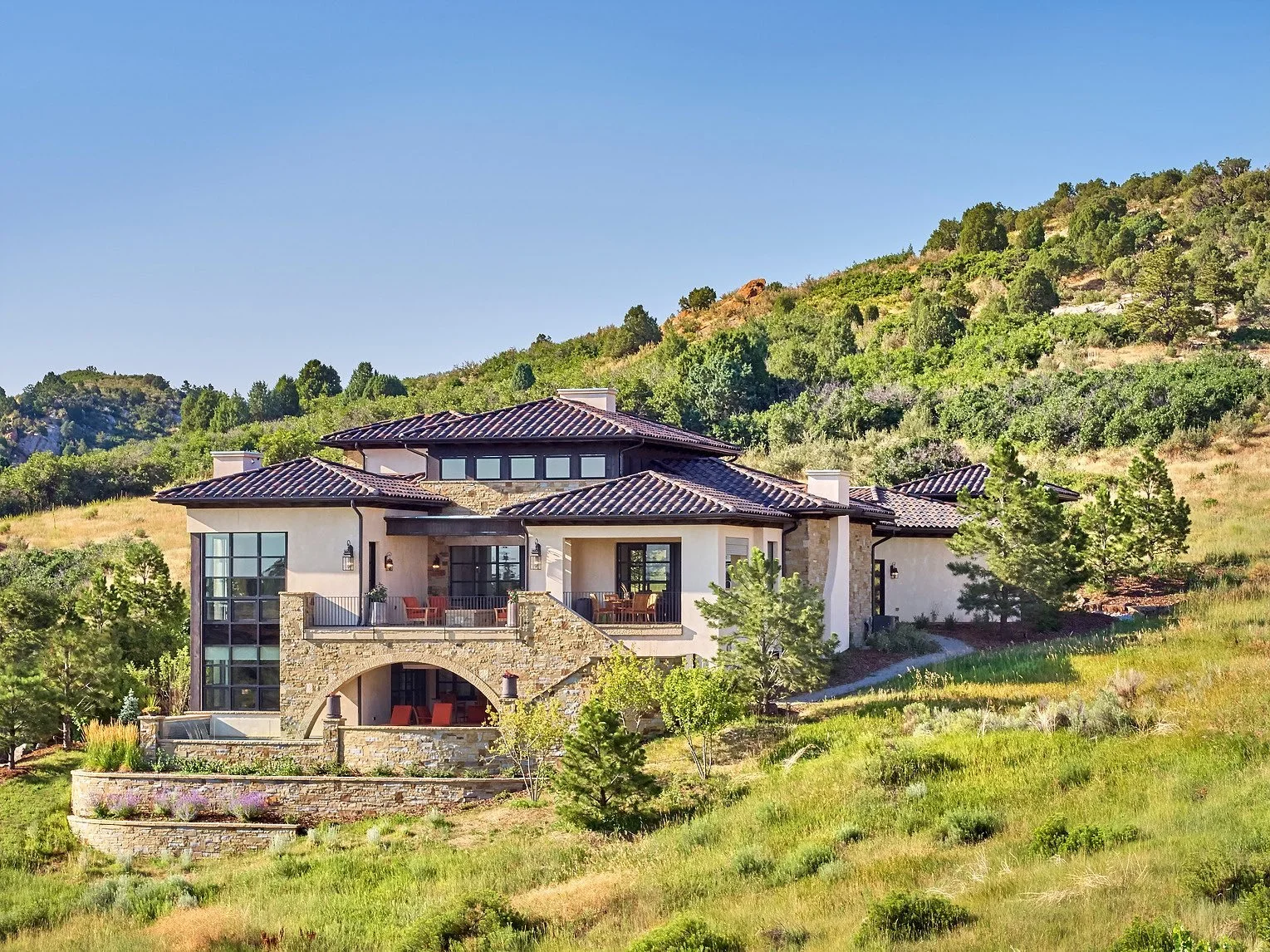
…a $250,000 investment often aligns well with property values and architectural standards — provided the scope is cohesive and structurally sound.
Overbuilding without integration rarely yields the same return as disciplined planning.
Is $250,000 the Right Budget for You?
A better question may be: What experience are you trying to create?
If your goal is:
Defined gathering spaces
Long-term structural performance
Architectural continuity
Refined material selection
…then this investment level often supports meaningful transformation.
If you are envisioning a pool-centered environment or estate-scale redevelopment, the required scope will likely exceed this range.
Final Perspective
A $250,000 outdoor renovation in Denver represents thoughtful integration — not excess.
When allocated strategically across structure, materials, and design planning, it creates an environment that feels cohesive, durable, and aligned with the architecture it surrounds.
If you are evaluating your property and would like clarity around scope and budget alignment, we welcome a structured conversation about what is realistically achievable.